David M. Lederman
Managing Partner
- Contact Us Today! (925) 522-8889









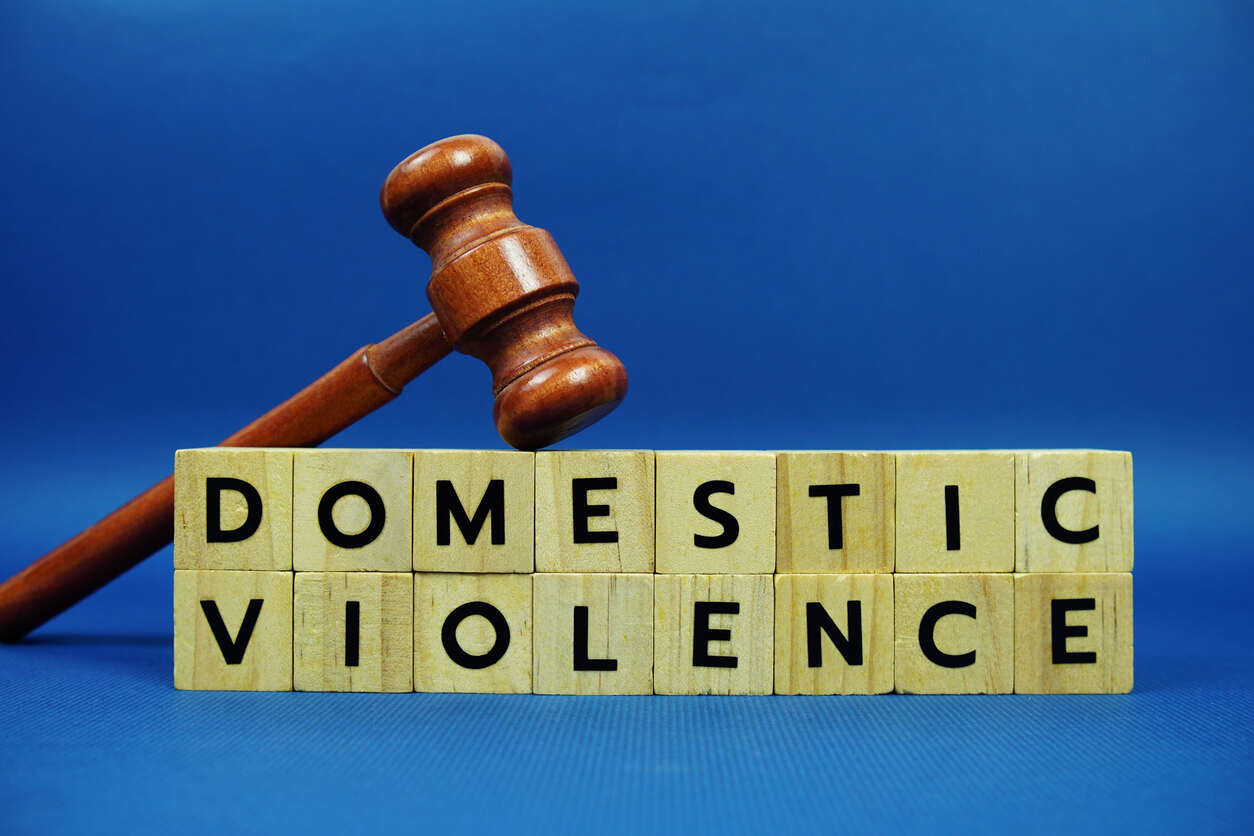
Domestic violence restraining orders are powerful legal tools designed to protect individuals and families from abuse. In California, courts take allegations of domestic violence extremely seriously, especially when children or high-conflict divorce proceedings are involved.
For affluent families and professionals, the implications of a restraining order go beyond personal safety. They can affect careers, reputations, and ongoing family law matters. Whether you are seeking protection or defending yourself against allegations, it is essential to understand how these orders work and what legal remedies are available.
A domestic violence restraining order (DVRO) is issued by a court to protect a person from abuse or threats of abuse by someone with whom they have a close relationship, such as a spouse, partner, or co-parent. A DVRO can impose a wide range of restrictions, including prohibiting contact, requiring the restrained person to stay away from the home or workplace, and limiting communication.
These orders can also address practical issues. For example, a DVRO may grant temporary custody of the children, establish visitation rules, or require the restrained person to vacate a shared residence. Due to the broad authority granted by these orders, the impact is immediate and substantial.
When someone files for a DVRO, California courts examine the evidence presented to determine whether abuse has occurred or is likely to occur. Abuse is defined broadly under California law and can include physical harm, threats, stalking, harassment, or even financial control.
Judges may issue a temporary restraining order quickly, often without a full hearing, to provide immediate protection. A longer-term restraining order requires a court hearing, where both parties can present evidence and testimony. At this stage, judges consider the credibility of witnesses, documented incidents, and any history of violence or abuse. For individuals facing false or exaggerated allegations, this hearing offers a crucial opportunity to contest the claims.
Domestic violence restraining orders often intersect with broader family law matters. A DVRO can influence divorce proceedings, child custody arrangements, and spousal support decisions.
For example, California courts must consider domestic violence findings when awarding custody, and a restraining order may weigh heavily against the restrained party.
For affluent families, the consequences can extend even further. Professionals may face damage to their reputations, restrictions on business travel, or limitations in professional licensing. Understanding how a DVRO fits into the larger context of a family law case is critical for protecting long-term interests.
Both petitioners and respondents need skilled legal guidance to navigate restraining order cases. For petitioners, an attorney can help present compelling evidence, prepare for hearings, and ensure the order provides adequate protection for themselves and their children. For respondents, legal representation is equally vital in challenging unfounded allegations, preserving parental rights, and mitigating the collateral consequences of a restraining order.
At the Law Offices of David M. Lederman, our attorneys bring decades of experience handling complex family law matters, including cases involving domestic violence restraining orders. We work with clients to ensure their safety, protect their rights, and secure fair outcomes in court.
If you need protection from abuse or are facing allegations in a restraining order case, early legal intervention is crucial. Contact the Law Offices of David M. Lederman today at 925-522-8889 or message us to schedule a consultation. Our experienced family law attorneys will listen to your concerns, explain your legal options, and provide the guidance you need to protect yourself, your family, and your future.
I wanted to take a moment and thank you all for working on my case for the past almost 6 years!! Ever since I signed up with your firm, I...
Recently, I came to face to face one of the most horrifying break ups in my life with a man who not only became frightening and threatening, but did refuse...
After a two-decade relationship – 17 years married – my ex and I had children and had accrued businesses and assets. Needless to say, mediation did not work for us...
Hello David, I wanted to thank you again for handling our case. We are very happy with the outcome and with your prompt and professional service. That was a very...
Thank you all for your help in getting my divorce finished, it is a huge weight off my shoulders. It is unbelievable to have an end date for payments and...
I recommend David Lederman. I hired David 1-6 months ago. David handled my Child Custody matter. I have previously worked with 1-2 lawyers. To say that my case is high-conflict...
Dear David, Beth, Just a quick, heartfelt note to thank you for everything you have done for me financially, emotionally, and psychologically. You have made the last two years as...
Hi Mr Lederman, I have received all of the moneys due to me and all of our property has been divided. There are no more issues for us to solve....
Dear Mr. Lederman, There are no words to describe how I feel right now that the divorce proceeding is final. I still can’t believe it’s over. There are many people...
For affluent families with international ties, child custody disputes can become complicated quickly. Parents may have homes, businesses, or extended family abroad, and children may hold dual citizenship or attend...
For high-net-worth individuals, marriage often involves more than a personal commitment—it carries significant financial considerations. Business ownership, professional practices, corporate stock voting and beneficial rights, investments, real estate portfolios, and...
Domestic violence restraining orders are powerful legal tools designed to protect individuals and families from abuse. In California, courts take allegations of domestic violence extremely seriously, especially when children or...




 (925) 522-8889
© 2026 David M. Lederman Law. All Rights Reserved. | Privacy Policy | Disclaimer | Site Map